

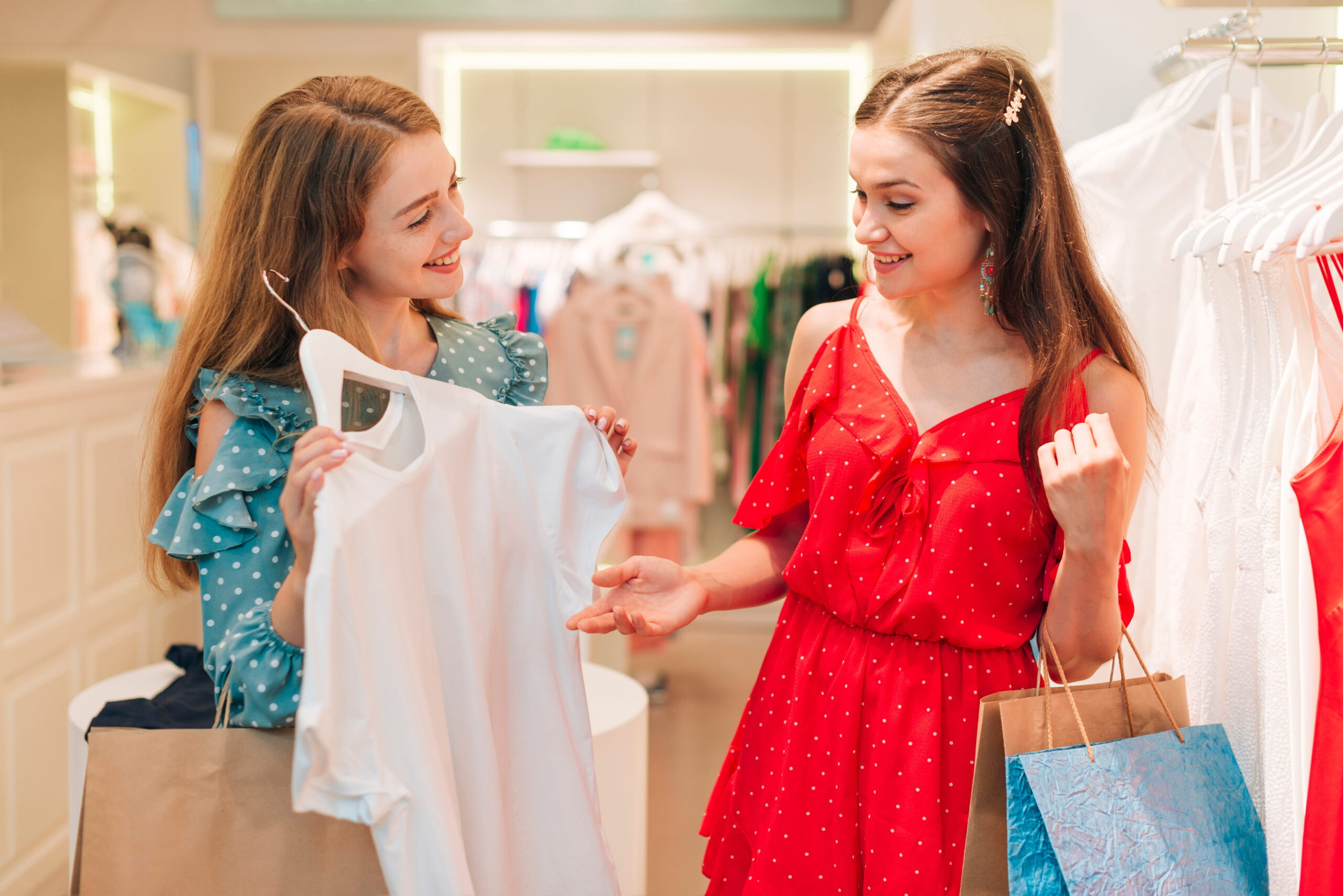
When it comes to dressing children, comfort and style should go hand in hand. Unlike adults, kids are constantly moving, playing, and exploring the world around them. That’s why choosing the right outfit isn’t just about appearance—it’s about functionality, breathability, and ease of movement. Parents today are also more style-conscious than ever, seeking outfits that look great in photos while still being practical for everyday wear.
In this guide, we’ll explore how to choose the perfect kids dresses that balance comfort, durability, and trend-forward design—so your little ones can look adorable and feel great all day long.
Understanding Fabric Choices for Kids Clothing
Fabric is one of the most important factors when choosing kids dresses. It directly affects how comfortable your child feels throughout the day. The wrong fabric can cause irritation, overheating, or discomfort, while the right one keeps your child happy and active.
Parents should always prioritize soft, breathable, and skin-friendly materials. Since children have sensitive skin, fabric selection plays a major role in preventing rashes and discomfort.
The fabric of a child’s dress directly affects their comfort level. Soft, breathable materials prevent irritation and allow for proper airflow, especially in warmer climates. Natural fabrics like cotton are a top choice because they are gentle on sensitive skin and reduce the risk of rashes.
Synthetic fabrics, while sometimes more durable, can trap heat and moisture, making them less suitable for long wear. Always check fabric labels and prioritize materials that are hypoallergenic and lightweight.
For daily outfits, cotton and cotton blends are ideal. They are easy to wash, durable, and maintain their shape even after multiple uses. Linen is another excellent option for warmer weather due to its breathability.
For special occasions, fabrics like chiffon or soft tulle can add elegance without compromising too much on comfort—especially when lined with cotton.
Choosing the Right Fit for Growing Kids
Tight clothing can restrict movement and make children uncomfortable. Loose and relaxed fits are better for active kids, allowing them to move freely without any limitations.
Kids grow quickly, so choosing the right size is essential. Avoid overly tight clothing that restricts movement. Instead, opt for slightly relaxed fits that allow children to run, jump, and play freely.
Elastic waistbands, adjustable straps, and stretchable materials are practical features that make a big difference in comfort and longevity.
Buying clothes with a little extra room can extend their usability. However, oversized clothing should still be well-structured so it doesn’t look sloppy or hinder movement. Smart tailoring and thoughtful design can ensure a balance between fit and flexibility.
Modern kids fashion is all about combining style with practicality. Parents no longer have to choose between good-looking outfits and comfortable ones—they can have both. Functional designs ensure that kids can wear stylish clothes without compromising on comfort.
This balance is especially important for daily wear, where convenience matters just as much as appearance.
Simple designs with playful prints are perfect for daily wear. Floral patterns, pastel shades, and fun prints are always popular in kids fashion. Dresses that are easy to put on and take off—like pull-over styles—are especially convenient for busy mornings.
For parties, weddings, or family gatherings, parents often look for dresses with unique details like embroidery, ruffles, or layered skirts. These elements add charm without needing heavy accessories.
However, even for formal wear, comfort should never be compromised. Look for dresses with soft inner linings and minimal scratchy embellishments.
Different seasons require different types of clothing. Choosing weather-appropriate outfits ensures that your child stays comfortable throughout the year. Seasonal dressing is not just about style—it’s also about protecting your child from extreme temperatures.
Understanding seasonal needs helps parents build a practical and versatile wardrobe.
In warmer months, lightweight and breathable fabrics are key. Sleeveless or short-sleeve dresses help keep kids cool, while light colors reflect heat. Avoid heavy layers and opt for loose silhouettes that promote airflow.
During colder seasons, layering becomes essential. Pair dresses with leggings, cardigans, or jackets to keep your child warm. Choose fabrics like wool blends or thicker cotton for added insulation without bulkiness.
Different seasons require different types of clothing. Choosing weather-appropriate outfits ensures that your child stays comfortable throughout the year. Seasonal dressing is not just about style—it’s also about protecting your child from extreme temperatures.
Understanding seasonal needs helps parents build a practical and versatile wardrobe.
Children are naturally active, which means their clothes need to withstand frequent washing and rough use. High-quality stitching and durable fabrics ensure that garments last longer, even with regular wear.
Reinforced seams and fade-resistant dyes are small details that can make a big difference in longevity.
Parents benefit from clothing that is machine-washable and doesn’t require special care. Stain-resistant fabrics or darker prints can help hide minor stains, making them ideal for everyday use.
Kids clothes go through a lot of wear and tear, so durability is an important factor. High-quality materials and strong stitching ensure that outfits last longer, even with frequent washing.
Parents also benefit from clothing that is easy to maintain, saving both time and effort.
As awareness around environmental impact grows, many parents are choosing sustainable clothing options for their children. Eco-friendly fabrics and ethical production practices contribute to a healthier planet.
Look for brands that prioritize quality over quantity. Investing in fewer, better-made pieces not only reduces waste but also ensures your child gets the best in comfort and durability.
Choosing the right kids dress doesn’t have to be complicated. By focusing on fabric, fit, functionality, and style, parents can make informed decisions that benefit both their children and their wardrobe.
The ideal outfit is one that allows kids to be themselves—active, playful, and full of life—while still looking effortlessly stylish. With thoughtful selection, you can build a wardrobe that works for every occasion, season, and growth stage.
Shopping habits have changed significantly over the past few years, and parents are increasingly turning to online stores for their children’s clothing. The convenience, variety, and accessibility offered by online shopping make it an attractive option for busy families.
Instead of spending hours visiting multiple stores, parents can now explore a wide range of kids dresses from the comfort of their homes. This shift is not just about saving time—it’s about making smarter, more informed purchasing decisions.
One of the biggest advantages of buying kids dresses online is convenience. Parents no longer need to plan shopping trips or deal with crowded stores. Everything they need is available at their fingertips.
Online platforms allow you to browse collections, compare styles, and make purchases in just a few clicks. This is especially helpful for parents managing busy schedules.
Online stores are open 24/7, allowing parents to shop at their convenience. Whether it’s late at night or during a short break, you can easily find the perfect outfit for your child.
Shopping online eliminates the need to wait in lines or deal with crowded spaces. This makes the entire experience more relaxed and efficient.
Physical stores often have limited space, which means limited options. In contrast, online stores offer a much wider selection of kids dresses, including the latest trends and exclusive designs.
This variety allows parents to explore different styles and find outfits that perfectly match their preferences.
Online platforms often feature exclusive collections that are not available in physical stores. This makes it easier to find unique and stylish outfits for special occasions.
Many online stores regularly update their collections, ensuring that customers have access to the latest kids fashion trends.
Choosing the right size is one of the biggest concerns when buying clothes for kids. Online stores address this issue by providing detailed size charts and product descriptions.
This helps parents make informed decisions and reduces the chances of incorrect purchases.
Most websites include size charts that guide parents in selecting the correct fit based on measurements. This ensures that the outfit is comfortable and مناسب for the child.
Detailed descriptions provide information about fabric, design, and care instructions. This transparency helps parents choose high-quality clothing.
Online shopping often offers better pricing compared to physical stores. Discounts, seasonal sales, and special promotions make it easier for parents to find stylish kids dresses within their budget.
This makes online shopping both convenient and cost-effective.
Online platforms frequently offer deals during festive seasons and special events. Parents can take advantage of these offers to purchase high-quality outfits at lower prices.
With access to multiple options, parents can compare prices and choose outfits that offer the best value for money.
One of the unique benefits of online shopping is the availability of customer reviews. These reviews provide insights into the quality, fit, and overall experience of previous buyers.
Reading reviews helps parents make confident purchasing decisions.
Customer reviews often highlight important details that may not be mentioned in product descriptions. This helps in understanding the true quality of the product.
High ratings and positive feedback indicate reliable products, making it easier to choose the right outfit.
Many parents hesitate to shop online due to concerns about returns. However, most online stores now offer easy return and exchange policies.
This ensures a risk-free shopping experience and gives parents peace of mind.
If the size or style doesn’t match expectations, you can easily return or exchange the product. This makes online shopping more reliable.
Knowing that returns are simple encourages parents to explore more options without hesitation.
While online shopping offers many advantages, following a few tips can help you make even better choices.
Being mindful during the selection process ensures a smooth and satisfying experience.
Always read the product description to understand the fabric and ensure it is suitable for your child’s comfort.
Shopping from reliable websites ensures better quality and service. Look for stores with good reviews and clear policies.
Buying during discounts or seasonal sales can help you save money while still getting high-quality outfits.
Buying kids dresses online has become the preferred choice for modern parents—and for good reason. It offers unmatched convenience, a wide variety of options, and better value for money.
With features like detailed product information, customer reviews, and easy return policies, online shopping provides a seamless and stress-free experience. By making thoughtful choices and using the right strategies, parents can build a stylish and practical wardrobe for their children without leaving their homes.
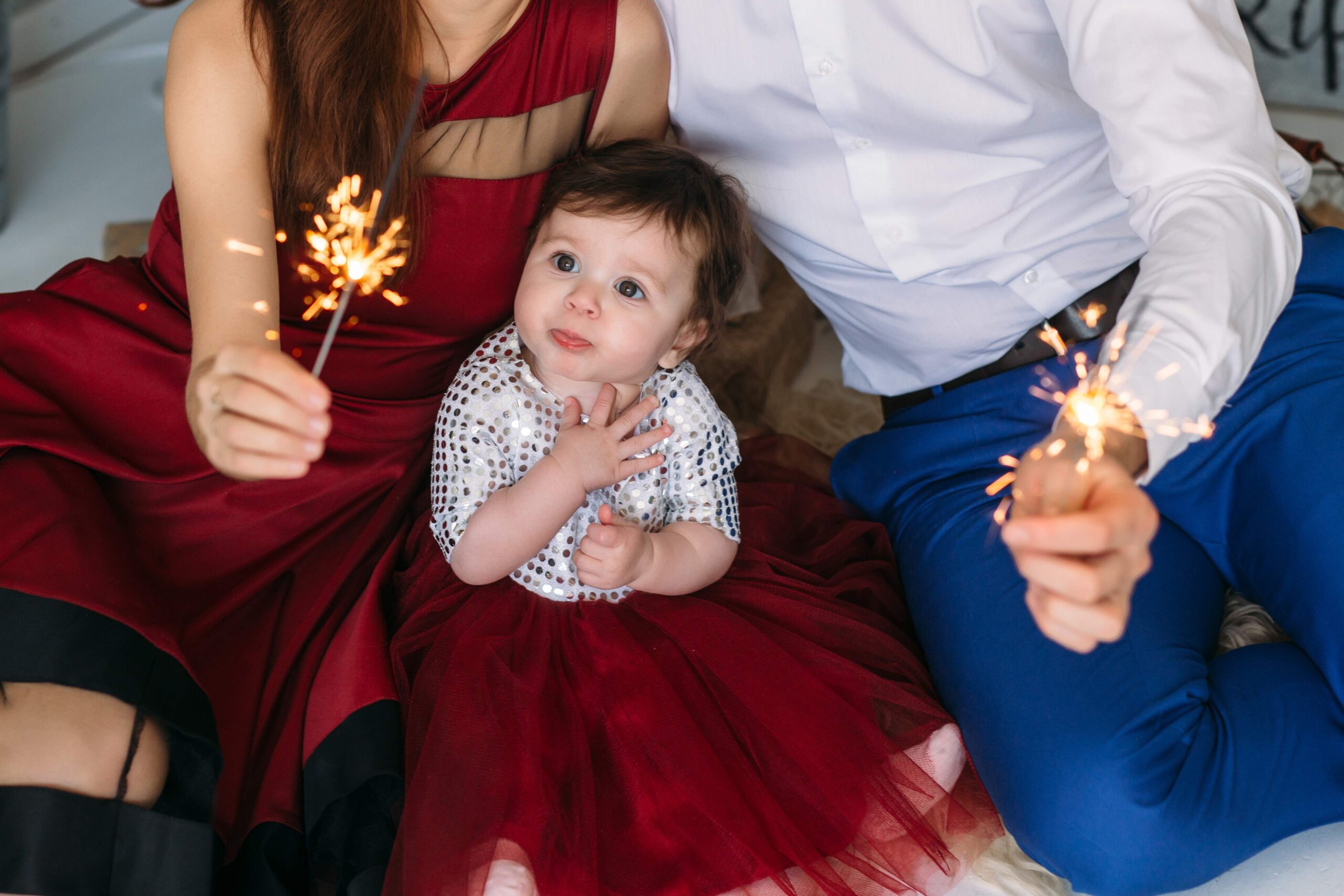
Festive occasions and celebrations are the perfect time to dress kids in outfits that are both stylish and memorable. Whether it’s a family gathering, birthday party, wedding, or festive event like Eid, parents want their children to look their best while still feeling comfortable.
Choosing the right festive dress for kids is not just about appearance—it’s about balancing elegance with practicality. The ideal outfit should allow children to move freely, enjoy the event, and stay comfortable for hours. With the right approach, you can find outfits that are beautiful, functional, and perfect for any celebration.
While festive outfits often focus on design and detail, comfort should never be overlooked. Children are naturally active, and uncomfortable clothing can quickly ruin their experience during an event.
Parents should prioritize outfits that feel light, breathable, and easy to wear. This ensures that kids can participate in activities, play, and enjoy the celebration without irritation or discomfort.
Fabrics like cotton blends, soft net with lining, and lightweight silk are great choices for festive wear. They provide a balance between elegance and comfort, making them suitable for long hours.
Outfits with rough textures or heavy embellishments can cause discomfort. Always check for soft inner linings and avoid materials that may irritate sensitive skin.
Kids fashion has evolved significantly, offering a wide variety of styles for festive occasions. From traditional designs to modern silhouettes, parents now have more options than ever.
Selecting the right style depends on the type of event, the child’s comfort, and personal preference.
Frocks remain one of the most popular choices for kids’ party wear. Flowy designs with layers, ruffles, or subtle embroidery create a charming and elegant look.
These dresses are ideal for birthdays, weddings, and formal gatherings.
For cultural and festive events like Eid, embroidered dresses and traditional outfits are highly preferred. These designs often feature intricate patterns and rich colors, making them perfect for celebrations.
Simple yet stylish dresses with clean cuts and soft colors are gaining popularity. These outfits focus on elegance without excessive detailing, offering a modern and comfortable alternative.
Color plays a major role in defining the overall look of a festive outfit. The right color choice can enhance the outfit’s appeal and make your child stand out.
Parents should consider both the occasion and the season when selecting colors.
Colors like red, yellow, royal blue, and green are commonly associated with celebrations. They add energy and excitement to the outfit, making them perfect for festive events.
Pastel shades and neutral colors offer a more subtle and sophisticated look. These tones are ideal for daytime events or when aiming for a minimal aesthetic.
Festive clothing should always align with the weather to ensure comfort. Seasonal adjustments help in selecting outfits that are both stylish and practical.
Dressing appropriately for the season ensures that kids remain comfortable throughout the event.
In warmer months, lightweight fabrics and sleeveless or short-sleeve designs are ideal. These outfits keep kids cool while maintaining a festive look.
For colder seasons, layering becomes essential. Pair dresses with warm leggings, jackets, or shawls to keep children comfortable without compromising style.
Accessories can enhance the overall look of a festive outfit, but they should be used thoughtfully. The goal is to complement the outfit without making it uncomfortable.
Simple and well-chosen accessories can elevate even the most basic dress.
Light accessories like headbands, small hair clips, or comfortable shoes are perfect for kids. They add charm without causing discomfort.
For special occasions, slightly more decorative accessories can be used. However, it’s important to ensure they are lightweight and safe for children.
Shopping for kids’ festive wear can be challenging, especially with so many options available. Keeping a few practical tips in mind can make the process easier and more effective.
Parents should focus on both style and usability to make the best choice.
Ensure that the outfit fits well without being too tight or too loose. A comfortable fit allows kids to move freely and enjoy the event.
Festive outfits should be easy to clean and maintain. Choosing fabrics that are durable and washable saves time and effort.
Select outfits that can be worn on multiple occasions. A well-designed dress can be styled differently for various events, making it a valuable addition to the wardrobe.
Festive and party wear for kids is all about creating the perfect balance between style and comfort. With the right fabric, design, and fit, parents can ensure that their children look great while feeling at ease.
By choosing thoughtfully designed outfits and paying attention to details like color, season, and accessories, you can make every celebration even more special. The right dress not only enhances your child’s appearance but also allows them to fully enjoy the joy and excitement of the occasion.
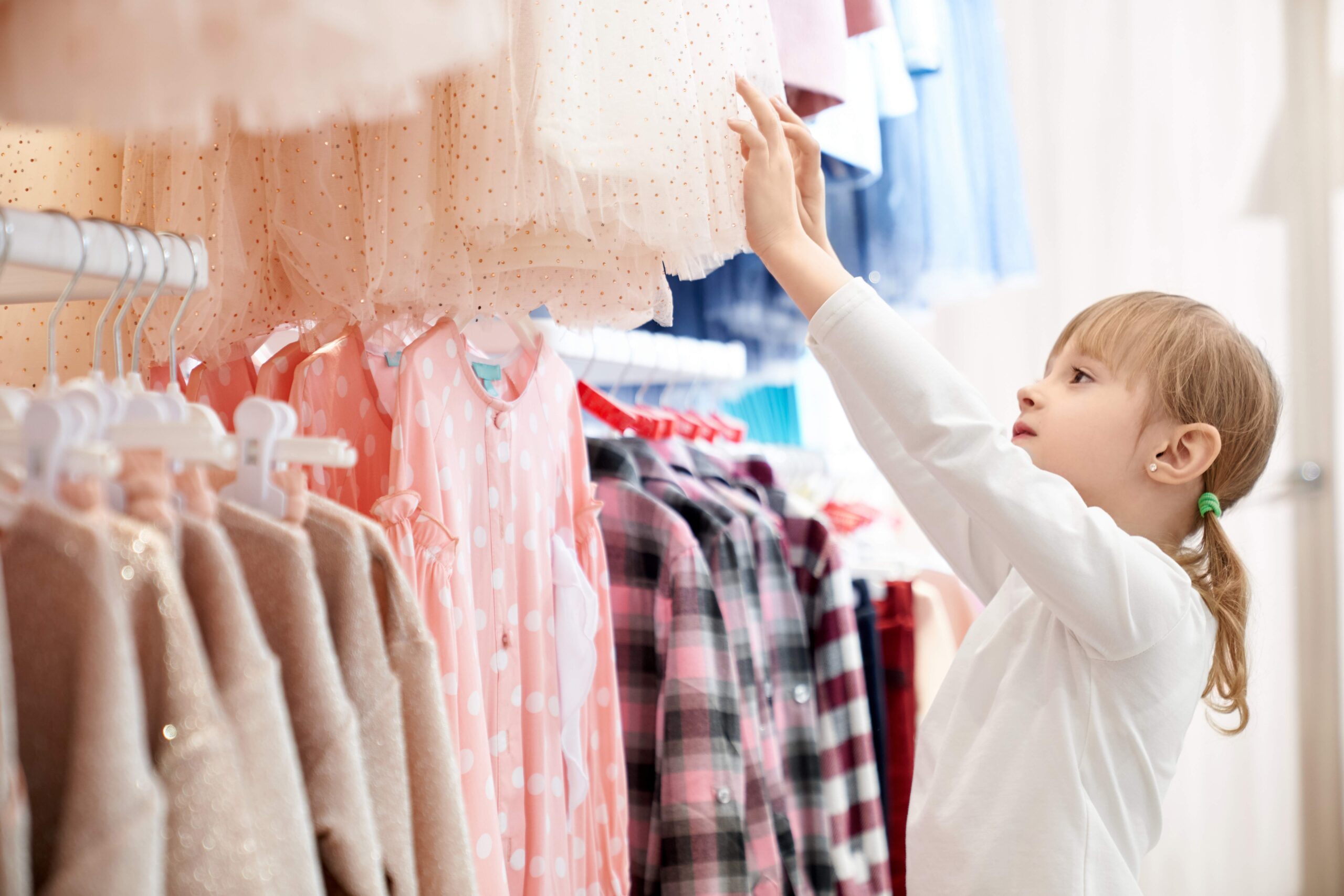
Managing your child’s wardrobe can often feel overwhelming. With changing seasons, growth spurts, and frequent outfit changes, it’s easy to end up with too many clothes and still feel like there’s nothing to wear. This is where a kids capsule wardrobe becomes a smart and practical solution.
A capsule wardrobe focuses on a limited number of versatile, high-quality pieces that can be mixed and matched easily. It not only saves time and money but also ensures your child always has comfortable and stylish outfits ready for any occasion.
A capsule wardrobe is a thoughtfully curated collection of essential clothing items that work well together. Instead of buying excessive clothing, parents focus on quality pieces that serve multiple purposes.
This approach is especially useful for kids because they grow quickly and need functional clothing that can adapt to different situations. A well-planned wardrobe reduces clutter while improving overall style and practicality.
With the right selection of pieces, you can create multiple outfits from a limited number of items. This makes dressing your child easier and more efficient.
A capsule wardrobe simplifies daily routines. Parents spend less time choosing outfits and more time focusing on what matters most.
The foundation of a successful capsule wardrobe lies in selecting the right essentials. These pieces should be versatile, comfortable, and suitable for everyday use.
Focus on items that can be styled in different ways and worn across multiple occasions.
Simple dresses and tops in neutral or soft colors are must-haves. They can be easily paired with different bottoms or layered with jackets for a complete look.
Leggings, shorts, and pants provide flexibility and comfort. They can be mixed with various tops to create different outfits.
Cardigans, light jackets, and sweaters are essential for layering. They help transition outfits between seasons and add variety to the wardrobe.
A consistent color palette is key to building a functional capsule wardrobe. Choosing colors that complement each other makes mixing and matching effortless.
Neutral shades combined with a few accent colors create a balanced and stylish look.
Colors like white, beige, grey, and soft pastels form the foundation of the wardrobe. They are easy to pair and never go out of style.
Bright or patterned pieces can be added to bring personality into the wardrobe. These items should still coordinate with the overall color scheme.
One of the biggest advantages of a capsule wardrobe is its adaptability across seasons. With a few adjustments, the same wardrobe can work throughout the year.
Planning ahead helps parents stay prepared for weather changes without overbuying.
In warmer months, focus on lightweight fabrics and breathable designs. Sleeveless dresses, cotton tops, and shorts keep kids cool and comfortable.
During colder seasons, layering becomes important. Add sweaters, thicker fabrics, and warm accessories to keep your child cozy.
Comfort should always come first when choosing kids clothing. Since children are active throughout the day, their clothes need to support movement and prevent irritation.
High-quality fabrics also ensure durability, making the wardrobe more cost-effective in the long run.
Cotton and other breathable fabrics are ideal for everyday wear. They reduce the risk of skin irritation and keep kids comfortable.
Well-made clothing with strong stitching can handle frequent washing and active use. This ensures the wardrobe remains functional over time.
The true value of a capsule wardrobe lies in its versatility. Each piece should work well with multiple other items, allowing you to create a variety of outfits.
This approach encourages creativity while minimizing the need for excess clothing.
A single dress can be styled differently with layers, accessories, or shoes. This makes it suitable for both casual and semi-formal occasions.
By combining pieces thoughtfully, you can create outfits for school, outings, and events without needing separate wardrobes.
A kids capsule wardrobe is not static—it should evolve as your child grows. Regular updates ensure that the clothing remains functional and well-fitted.
Proper maintenance also helps extend the life of each item.
Remove items that no longer fit or are worn out. This keeps the wardrobe organized and easy to manage.
Instead of buying in bulk, replace items as needed. This ensures that every piece in the wardrobe serves a purpose.
Building a kids capsule wardrobe is a practical and efficient way to manage your child’s clothing. It simplifies daily routines, reduces clutter, and ensures that every outfit is both stylish and comfortable.
By focusing on quality, versatility, and thoughtful planning, parents can create a wardrobe that adapts to every season and occasion. In the long run, this approach not only saves time and money but also makes kids fashion more enjoyable and stress-free.
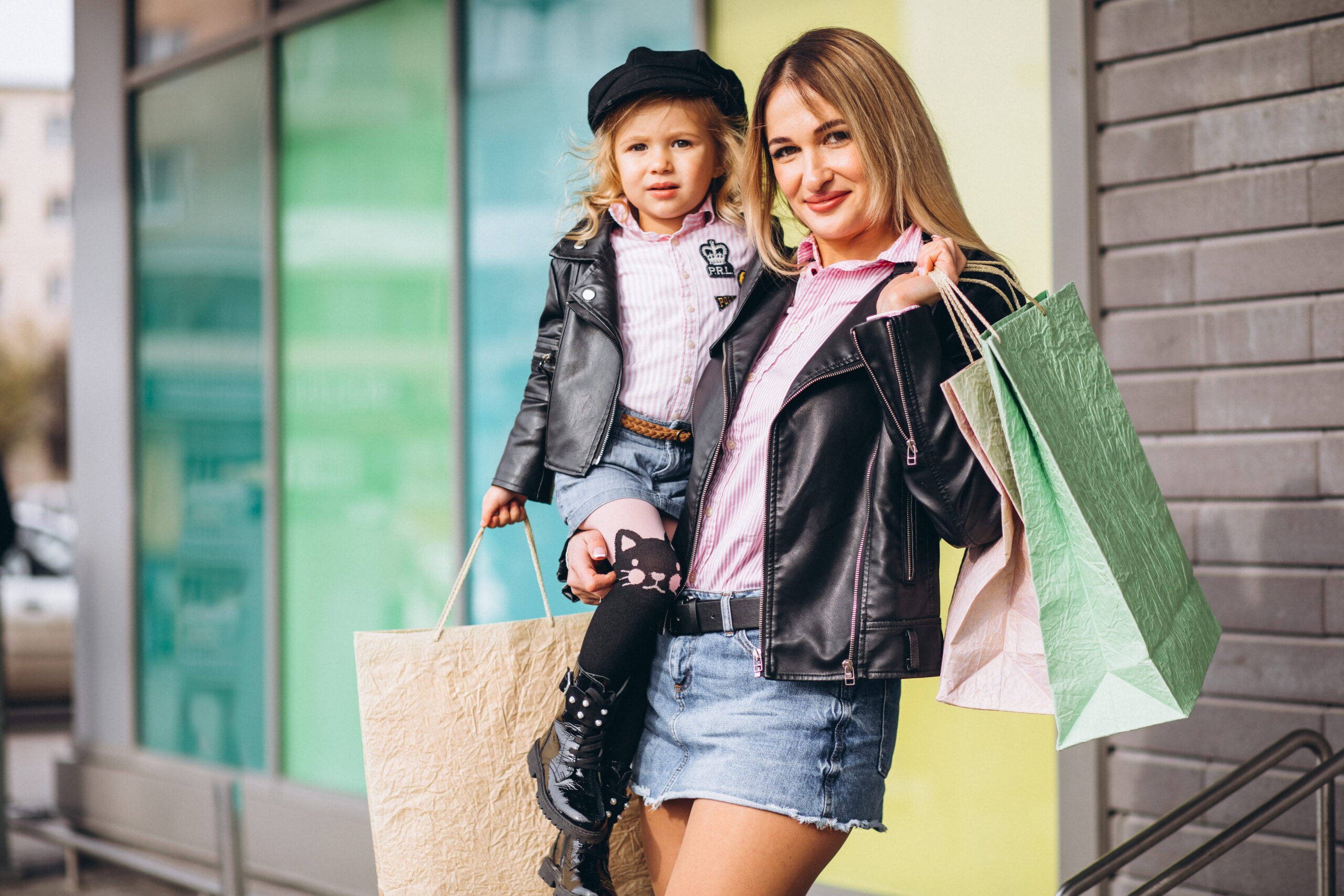
Fashion has always been a form of self-expression, but in recent years, it has also become a way for families to connect and create lasting memories. One of the most heartwarming trends in modern fashion is mother-daughter matching outfits. These coordinated looks are not just about dressing alike—they represent a special bond, shared style, and memorable moments.
From casual outings to festive occasions, matching outfits offer a unique way to stand out while celebrating togetherness. With the right styling approach, these looks can be both elegant and comfortable for everyday wear.
The rise of social media and family photography has played a big role in the popularity of coordinated outfits. Parents love capturing special moments, and matching looks add a visually appealing and emotional touch to photos.
Beyond aesthetics, these outfits also create a sense of unity. Whether it’s a weekend outing or a celebration, dressing in sync makes the experience feel more special and meaningful.
Matching outfits are not just a passing trend—they combine emotional value with fashion. Wearing similar styles strengthens the connection between mother and child while also making a stylish statement.
From birthdays and weddings to casual day-outs, matching outfits can be styled for any event. The versatility of this trend makes it a favorite among modern families.
Comfort is essential, especially when it comes to kidswear. Since both mother and child will be wearing similar outfits, the fabric must suit all-day wear and different weather conditions.
Soft, breathable materials ensure that both comfort and style are maintained. Choosing the right fabric also enhances the overall look of the outfit.
Cotton and lightweight blends are ideal for casual matching outfits. They keep both mother and child comfortable, especially in warm weather, and are easy to maintain.
For formal events, fabrics like chiffon, silk blends, or soft net can add a touch of elegance. However, it’s important to ensure that kids’ outfits include soft inner linings to avoid discomfort.
There are countless ways to style matching outfits without making them look repetitive. The key is to find a balance between coordination and individuality.
Modern fashion allows for creative interpretations of matching styles, making it easy to adapt the trend to different preferences.
Wearing the same dress design in different sizes is the most traditional approach. This style works beautifully for photoshoots and formal events, creating a polished and coordinated appearance.
Instead of identical outfits, many prefer using the same color palette. For example, a mother might wear a long dress while the daughter wears a shorter version in the same print or color.
Another creative approach is to use similar patterns in different styles. Floral prints, stripes, or subtle embroidery can tie the outfits together without making them look identical.
Seasonal changes play an important role in how outfits are styled. Choosing weather-appropriate clothing ensures both comfort and practicality.
Adapting matching outfits to different seasons allows you to enjoy this trend all year round.
In warmer months, opt for sleeveless or short-sleeve dresses made from breathable fabrics. Light colors and floral prints work especially well during summer.
During colder seasons, layering becomes essential. Matching coats, cardigans, or scarves can enhance the look while keeping both mother and child warm.
Accessories can elevate a simple outfit into something special. When styling matching looks, the right accessories help complete the overall appearance without overwhelming it.
Keeping accessories minimal and coordinated ensures a clean and elegant look.
Simple additions like matching headbands, belts, or shoes can enhance the outfit without making it too busy. These small details bring the entire look together.
For occasions like weddings or parties, slightly bolder accessories can be used. However, it’s important to maintain balance so the outfit remains comfortable, especially for kids.
While matching outfits look great, practicality should never be ignored. Parents should consider factors like ease of wear, durability, and maintenance before making a purchase.
Choosing outfits that are both stylish and functional ensures a better overall experience.
Outfits that are easy to put on and take off are ideal, especially for younger children. This makes daily routines smoother and stress-free.
Selecting outfits that can be styled in different ways increases their usability. A matching dress can be worn together for events and separately for casual outings.
Mother-daughter matching outfits are more than just a fashion trend—they are a celebration of connection, love, and shared style. With the right choices in fabric, design, and accessories, these outfits can be both practical and visually stunning.
By focusing on comfort and creativity, parents can create looks that not only stand out but also make every moment more memorable. Whether it’s a casual day out or a special celebration, matching outfits offer a timeless way to bond through fashion.
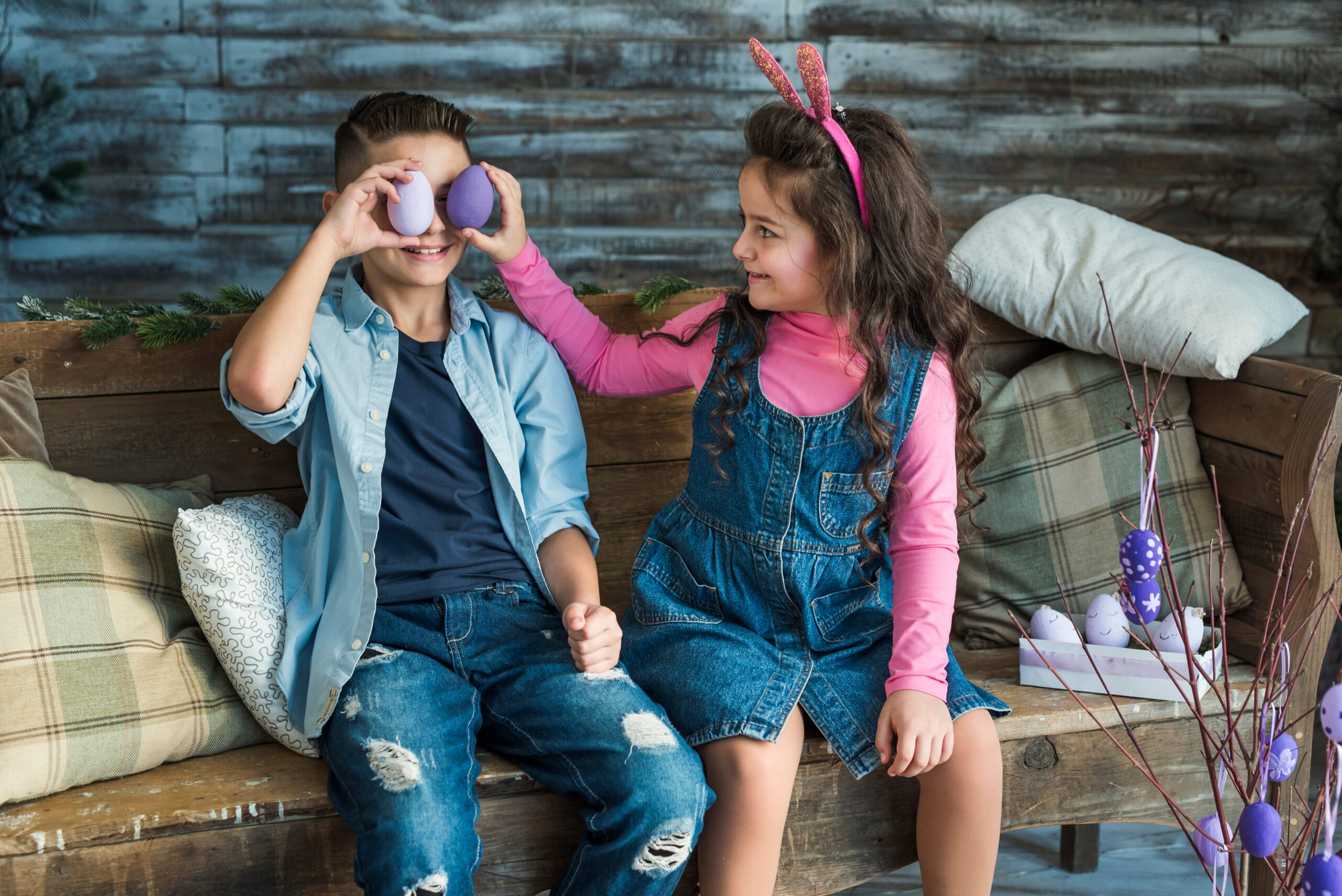
Children’s fashion is no longer just about cute outfits—it’s now a blend of comfort, creativity, and trend-driven design. As we step into 2026, kidswear is taking inspiration from global fashion movements while still prioritizing practicality for everyday life.
Parents today want clothing that reflects personality, photographs beautifully, and keeps their children comfortable throughout the day. From playful prints to sustainable fabrics, this year’s trends offer something for every style preference.
Color trends play a huge role in defining kids fashion every year, and 2026 is all about calm, soothing, and nature-inspired palettes. These shades not only enhance the visual appeal of outfits but also create a sense of elegance and simplicity. Parents are increasingly choosing colors that are versatile, timeless, and suitable for multiple occasions.
Bright neon colors are taking a backseat as soft pastels dominate kids fashion in 2026. Shades like blush pink, mint green, lavender, and baby blue are becoming wardrobe staples. These colors are not only visually soothing but also versatile enough for both casual and formal wear.
Alongside pastels, earthy colors like beige, olive green, and warm browns are gaining popularity. These shades reflect a growing preference for natural aesthetics and minimalistic fashion, making them ideal for daily wear.
Comfortable Silhouettes Take Center Stage
Comfort is no longer optional in kidswear—it’s the foundation of every good outfit. In 2026, designers are focusing on silhouettes that allow freedom of movement while maintaining a stylish appearance. This shift reflects a deeper understanding of children’s active lifestyles and the need for practical clothing.
Loose-fitting dresses, flowy skirts, and relaxed silhouettes allow kids to move freely and stay comfortable throughout the day. These styles are perfect for both indoor and outdoor activities.
Functional elements like elastic waistbands and adjustable straps are becoming essential. They enhance comfort and ensure that outfits remain wearable as children grow.
Floral Prints and Playful Patterns
Patterns are a key element in kids fashion, adding personality and charm to outfits. In 2026, prints are becoming more expressive, blending classic styles with modern creativity. They help children showcase their individuality while keeping their look fun and vibrant.
Floral prints continue to dominate, with updated designs that feature softer tones and elegant detailing. These prints are suitable for both everyday wear and special occasions.
From polka dots to abstract patterns, playful prints are trending. These designs encourage creativity and allow kids to experiment with their personal style.
Coordinated family fashion is becoming a strong trend, especially for special occasions and social media moments. Matching outfits create a sense of connection and make family memories even more visually appealing.
Mother-daughter matching outfits are especially popular, offering a stylish way to bond through fashion. These looks are perfect for events, photoshoots, and celebrations.
Instead of identical outfits, many families prefer coordinated colors or patterns. This approach feels more modern and allows each individual to maintain their unique style.
Sustainability is shaping the future of fashion, and kidswear is no exception. Parents are becoming more mindful of the environmental impact of clothing and are choosing options that are both eco-friendly and safe for their children.
Organic cotton and other sustainable materials are gaining popularity. These fabrics are gentle on the skin and reduce environmental harm.
Investing in fewer, high-quality pieces ensures durability and reduces waste. This approach benefits both families and the environment.
Small design elements can make a big difference in kids fashion. In 2026, subtle yet stylish details are being used to transform simple outfits into standout pieces.
Delicate embroidery adds elegance and uniqueness without compromising comfort. These details are perfect for special occasions.
Ruffles and layered designs add depth and movement to outfits, making them visually appealing while keeping them playful.
Formal kidswear is evolving to become more practical and wearable. The focus is now on creating outfits that look elegant but feel as comfortable as everyday clothing.
Lightweight fabrics and relaxed fits are replacing heavy, restrictive designs. This ensures children can enjoy events without discomfort.
Many dresses are designed to work for both formal and casual settings, making them a smart investment for parents.
The kids fashion trends of 2026 highlight a perfect balance between style, comfort, and sustainability. By focusing on thoughtful design, breathable fabrics, and versatile styles, parents can build a wardrobe that supports their child’s lifestyle while keeping them fashionable.